
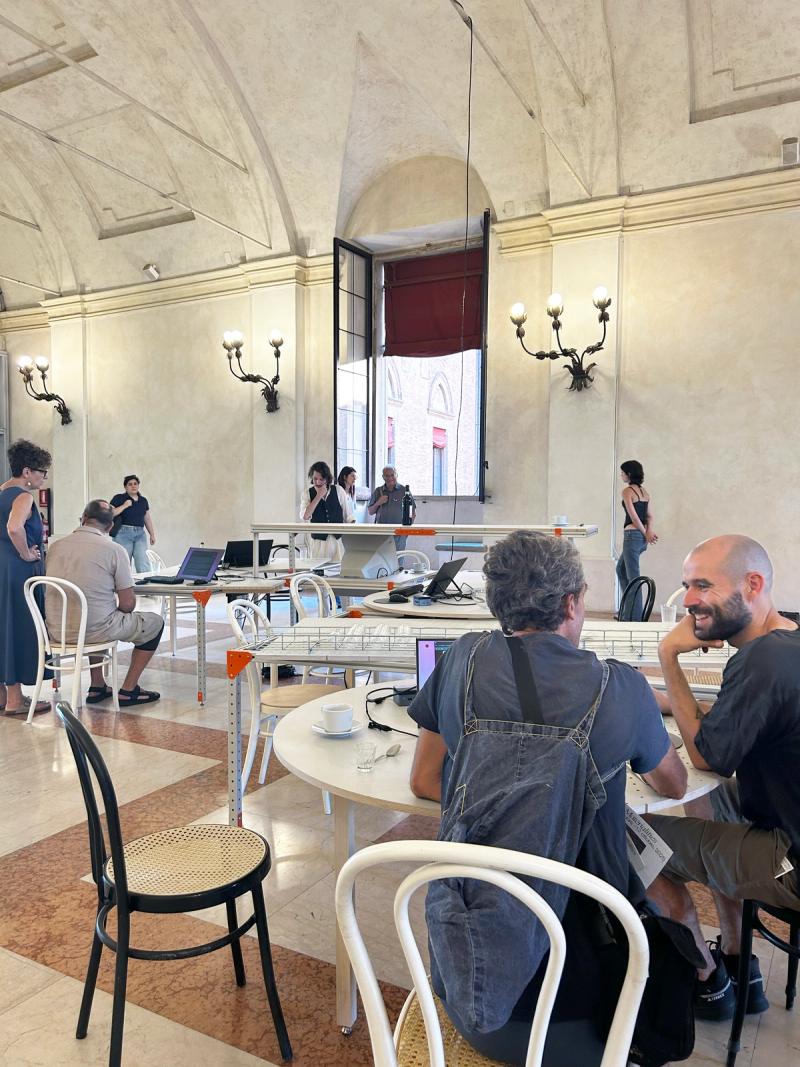

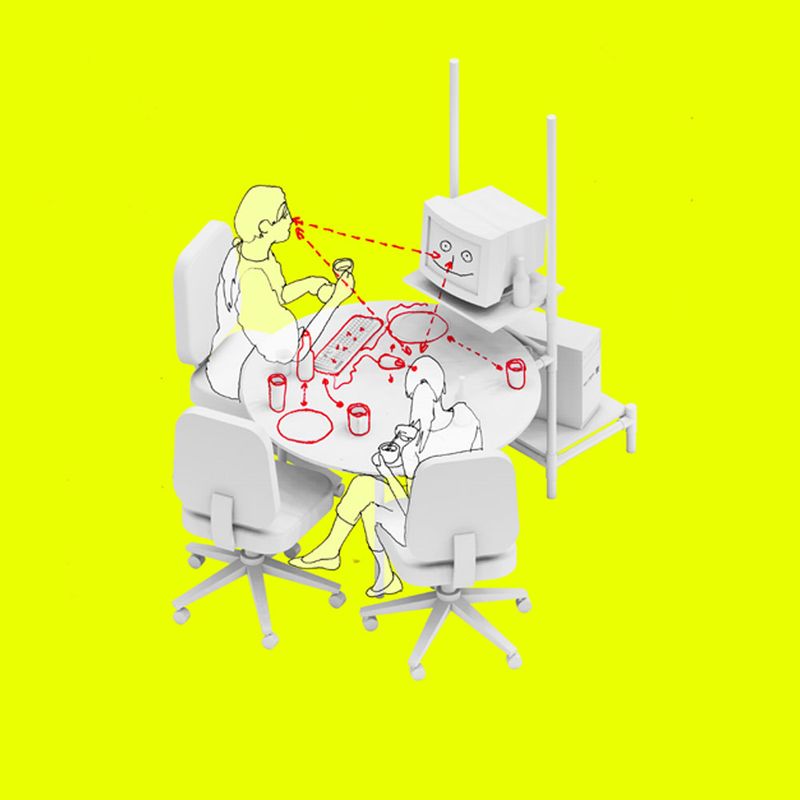

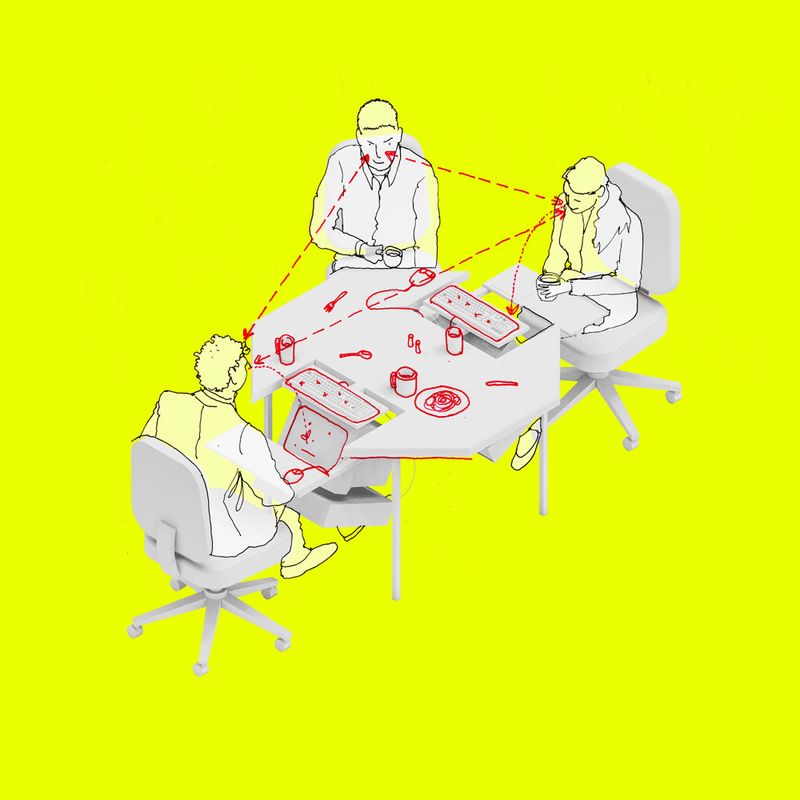

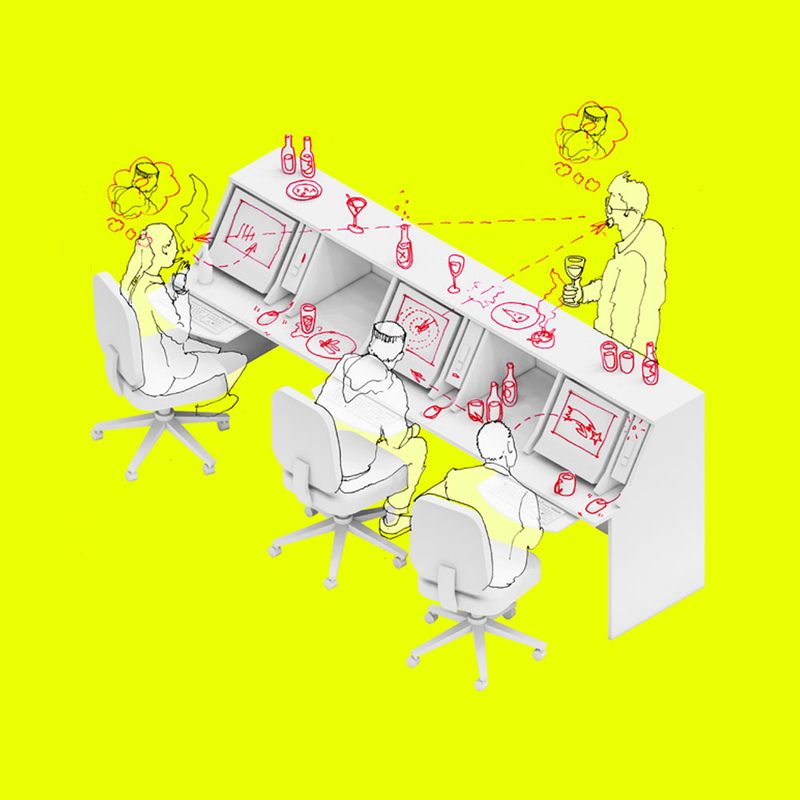

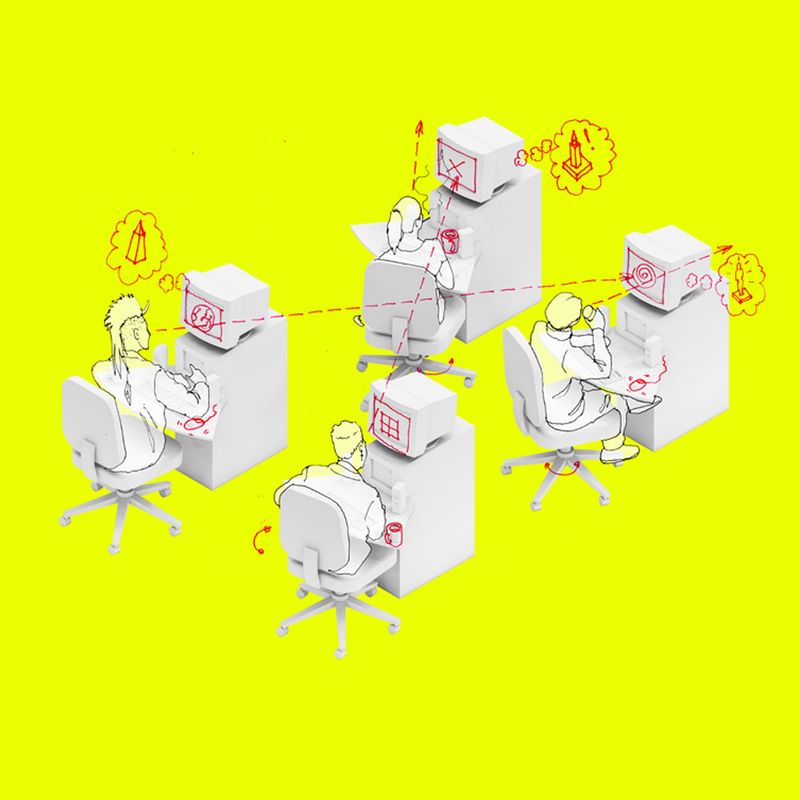

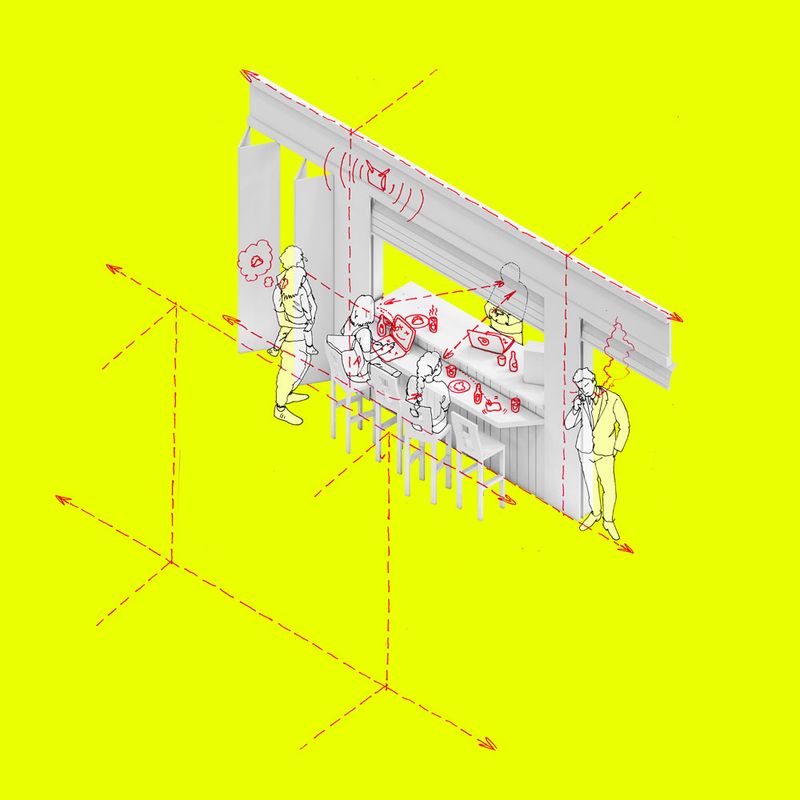

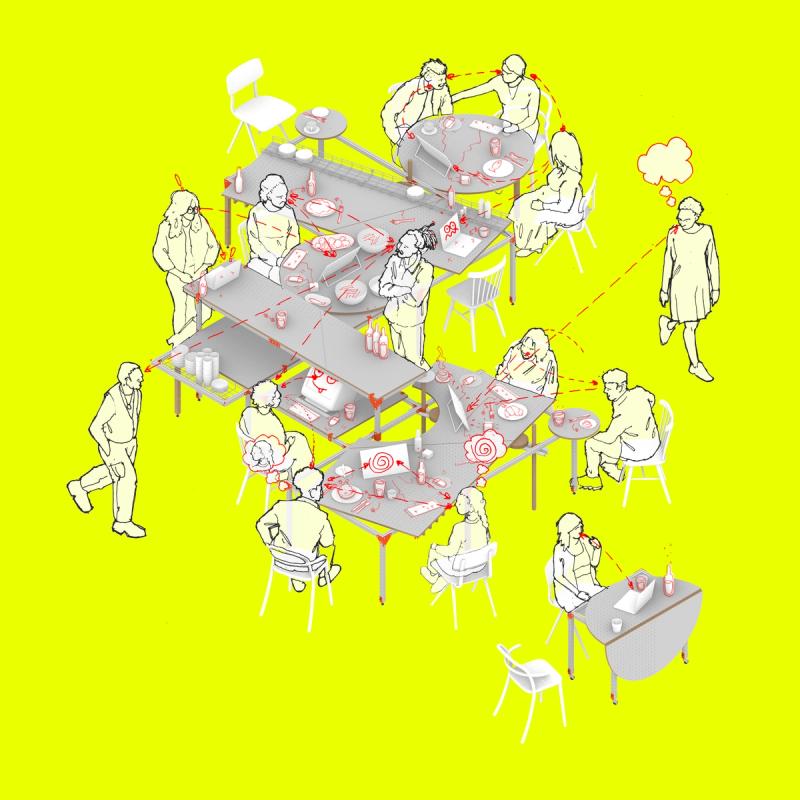

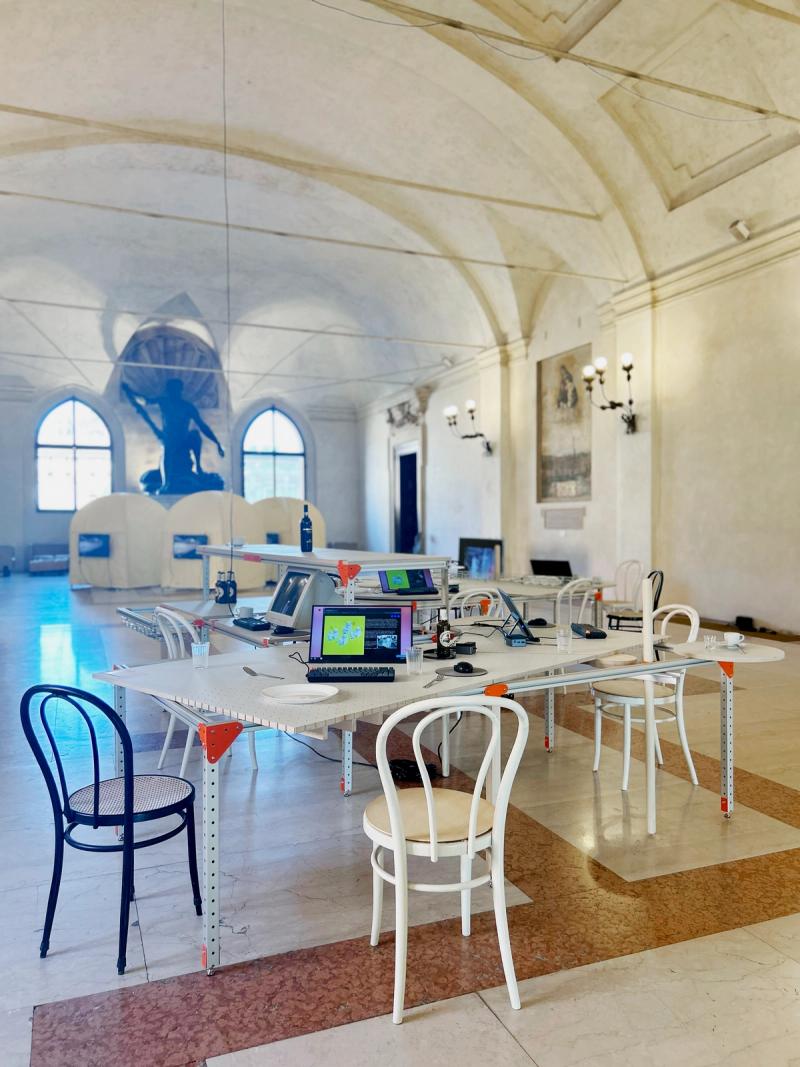

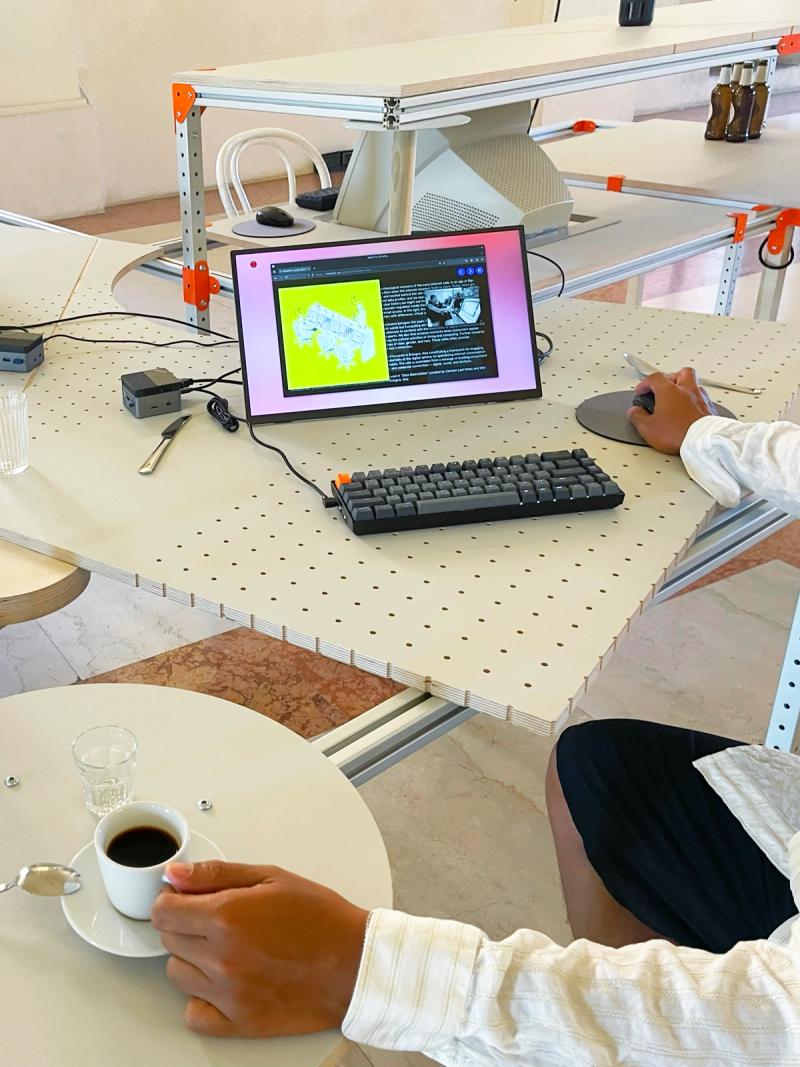

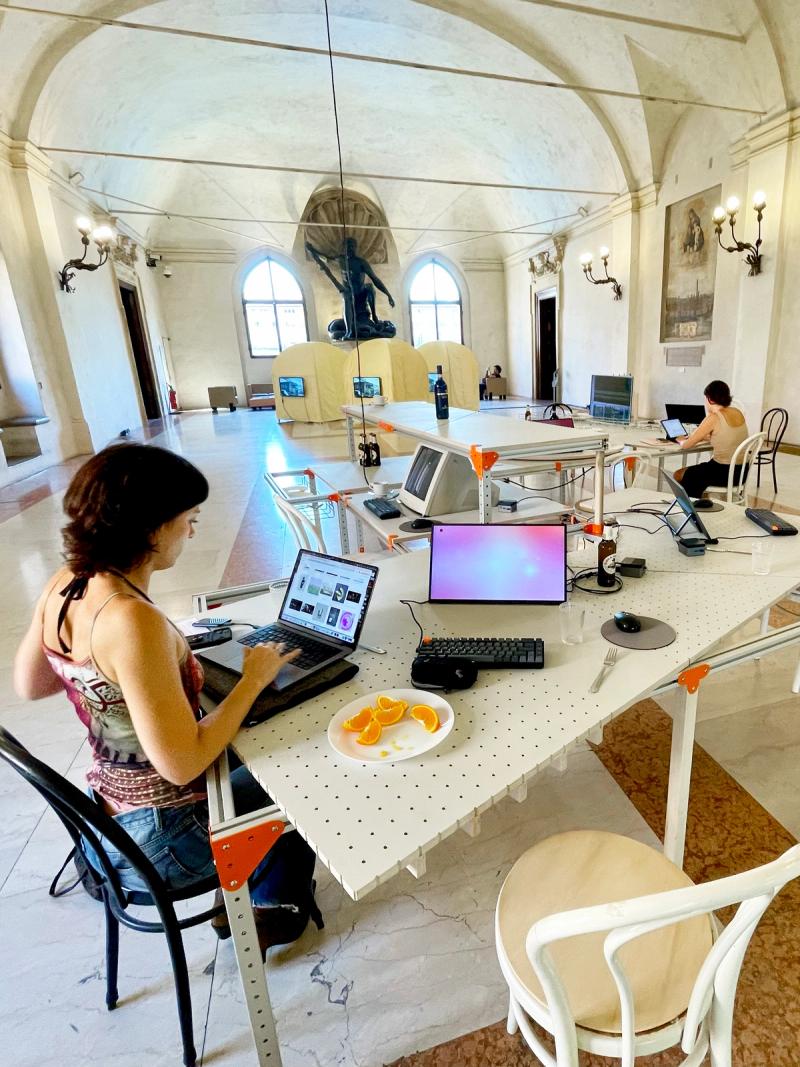

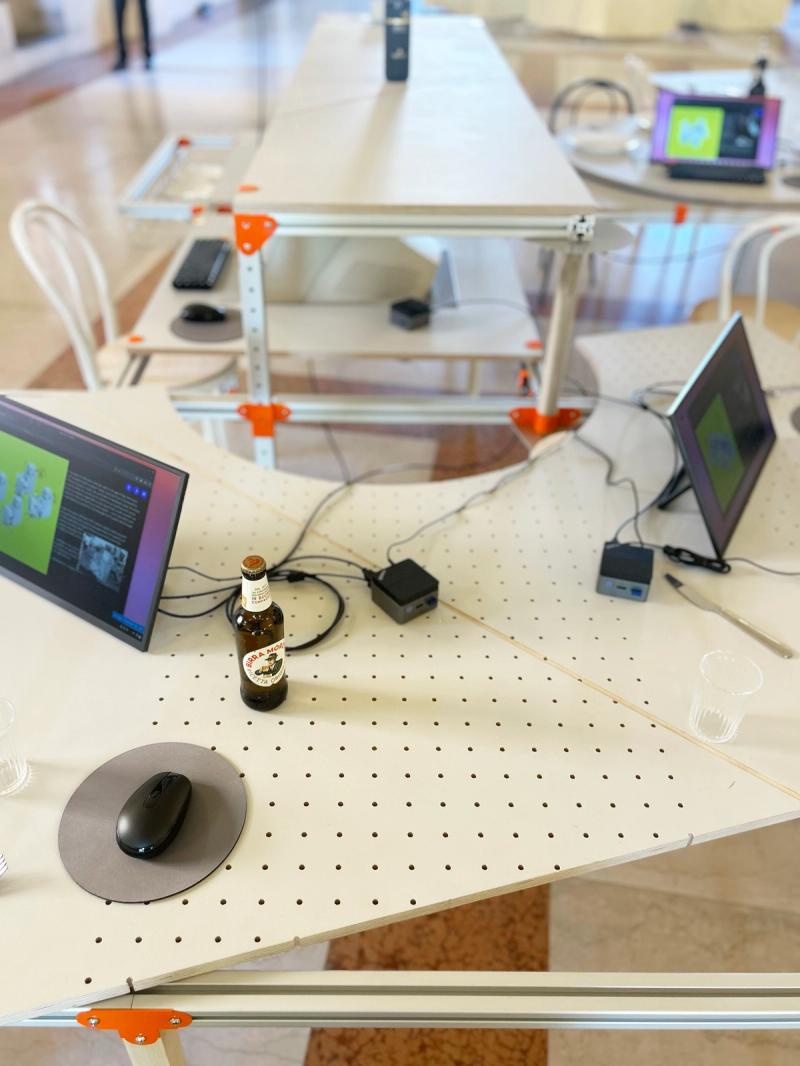

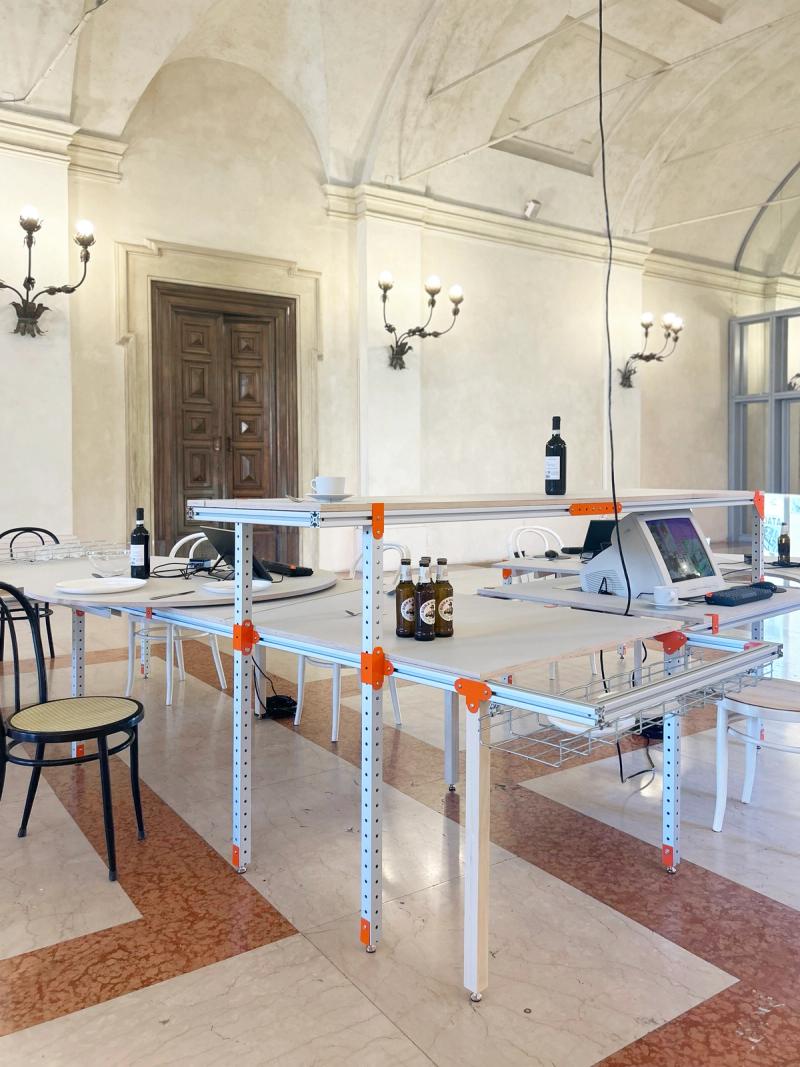

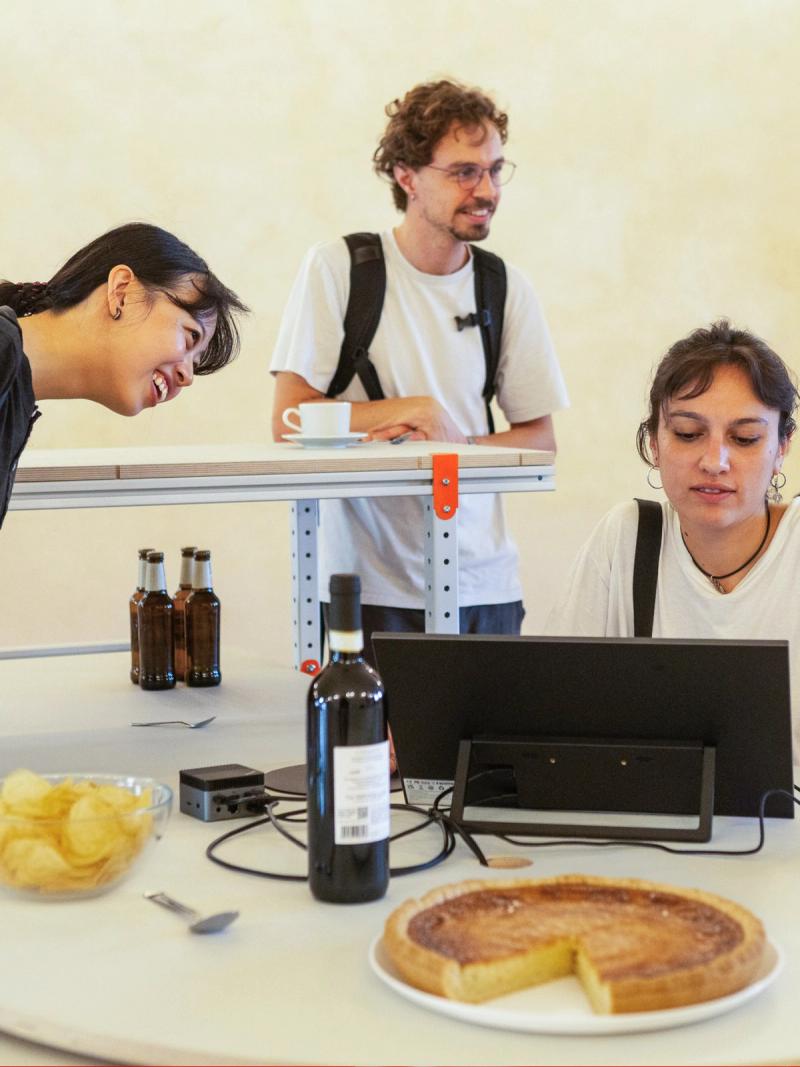

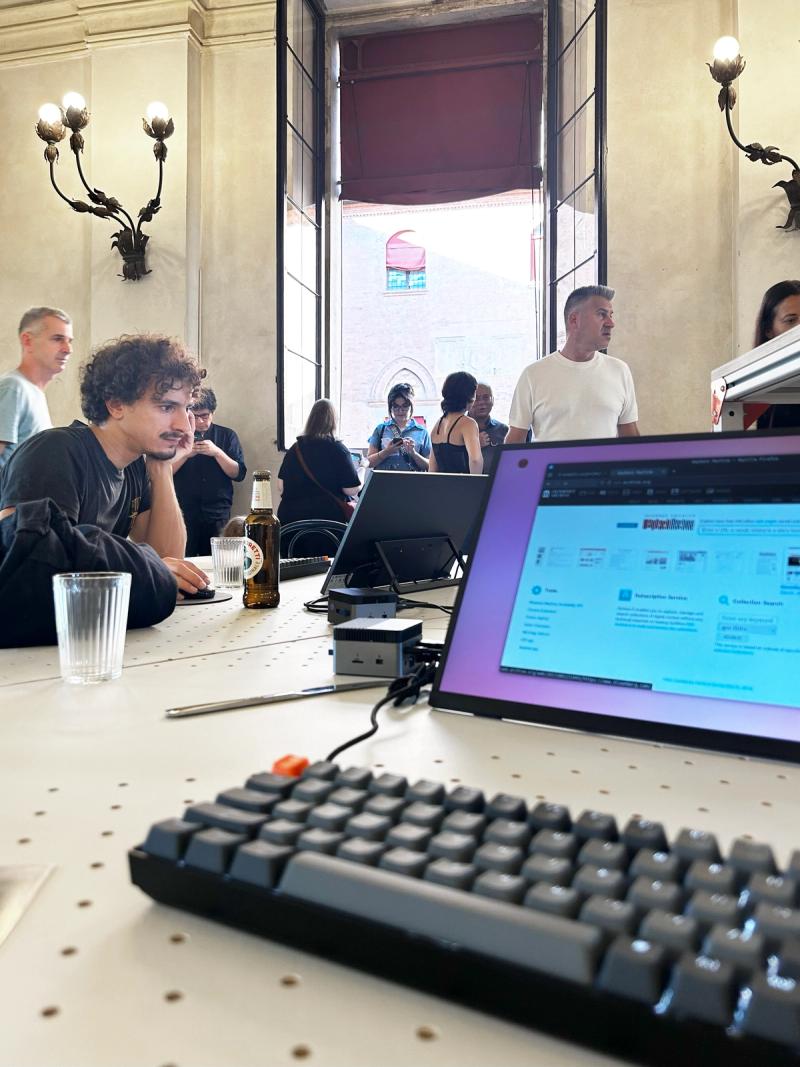

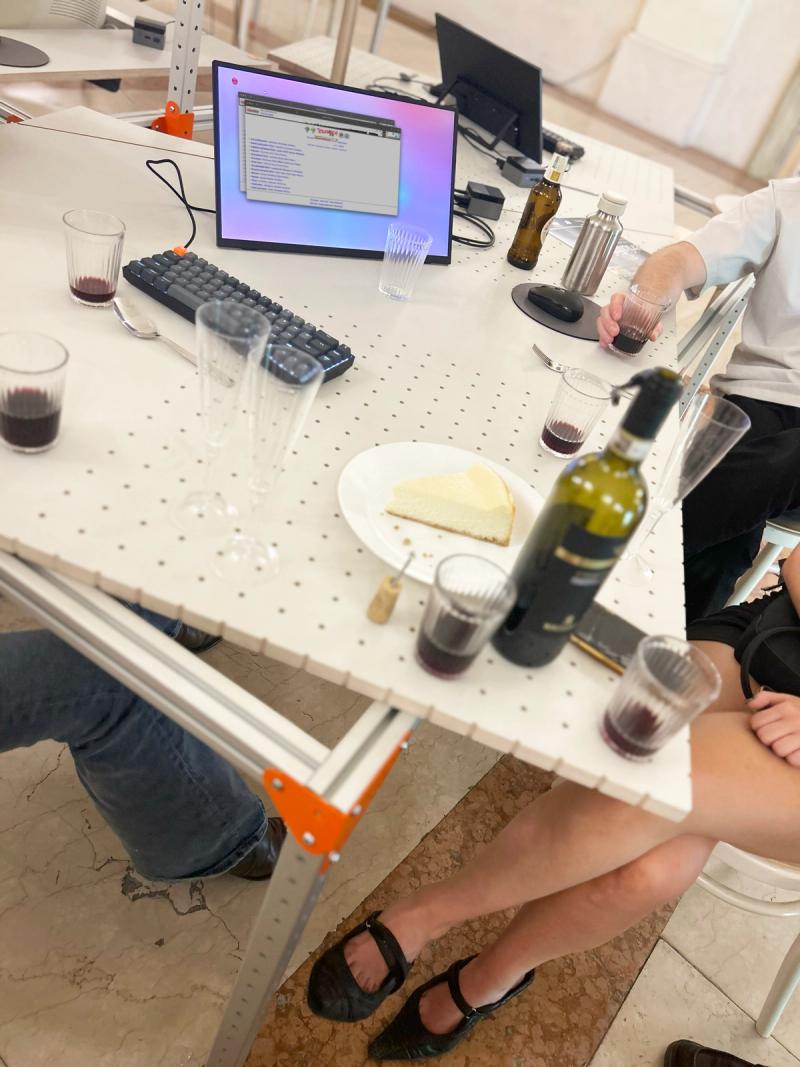

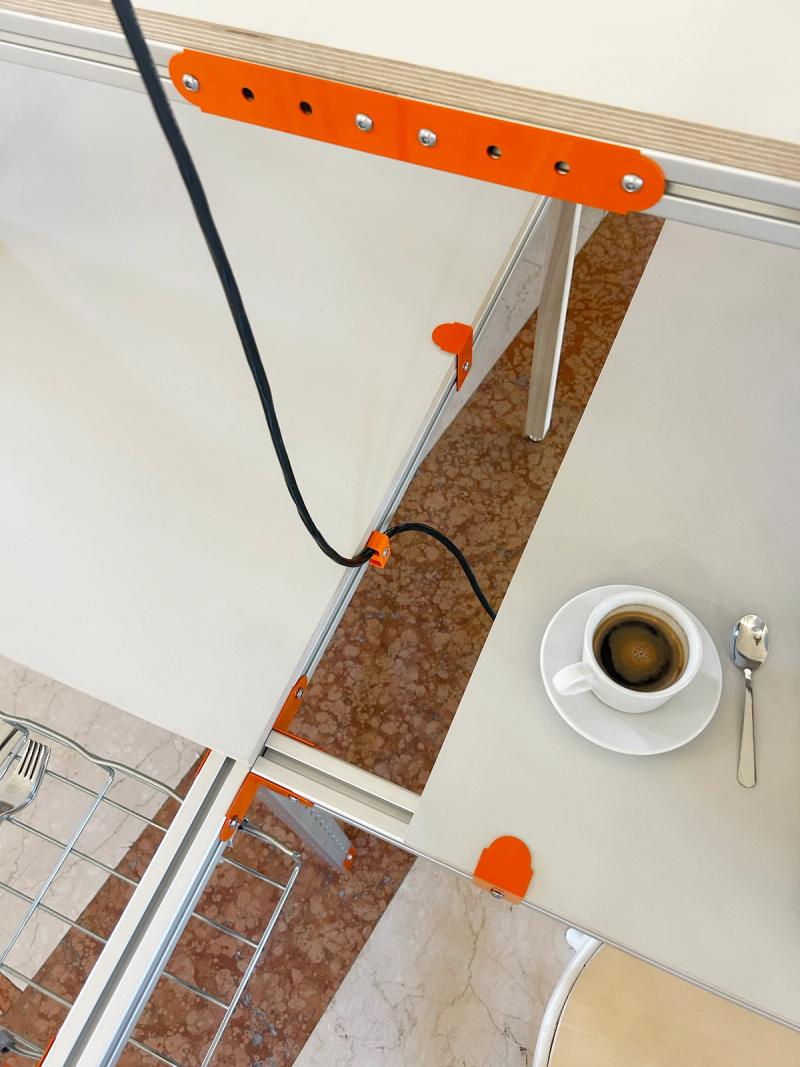

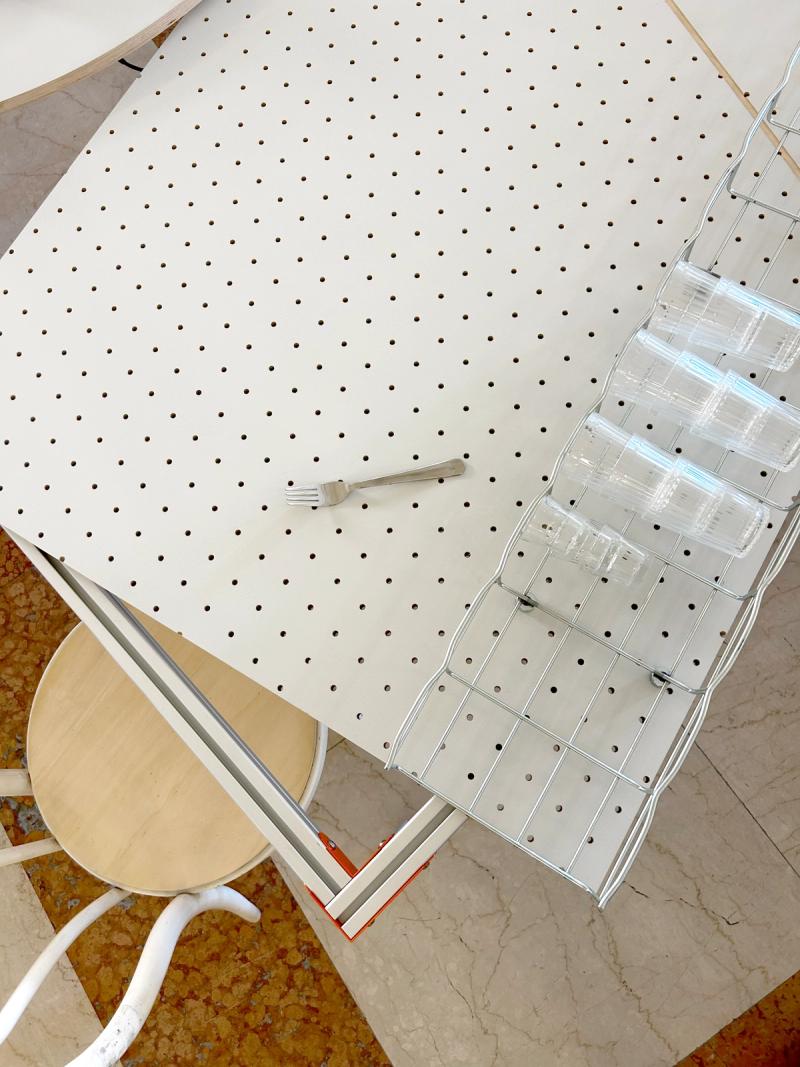

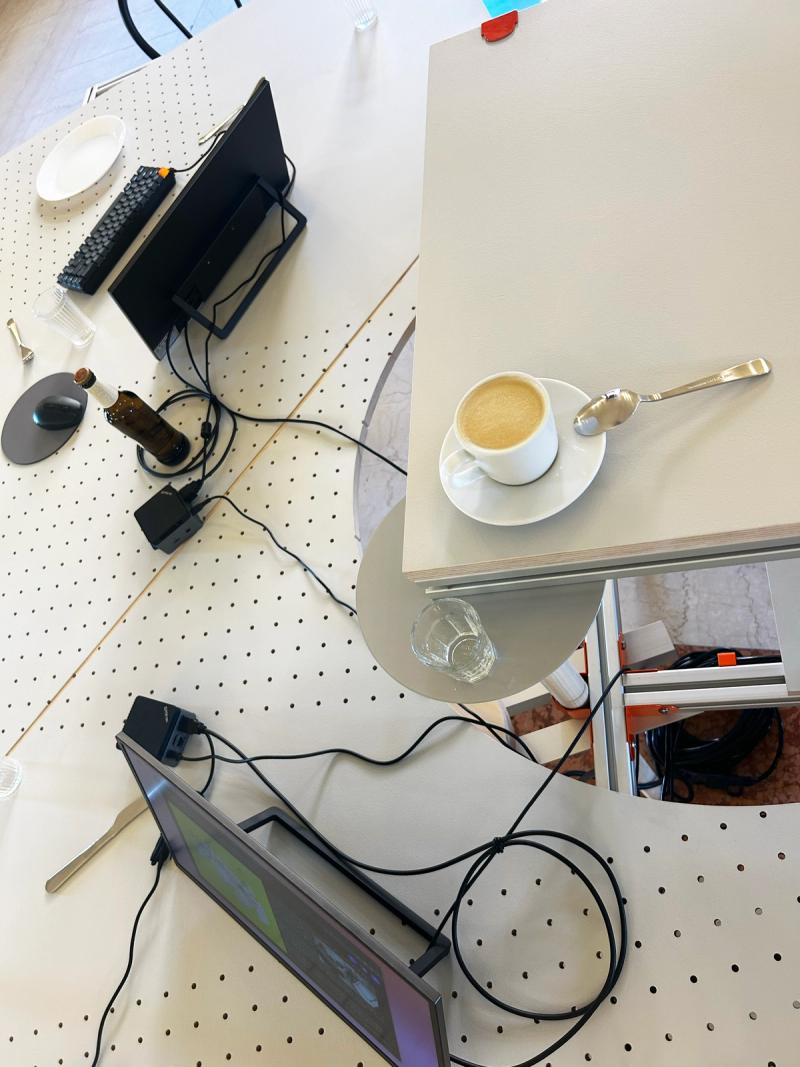

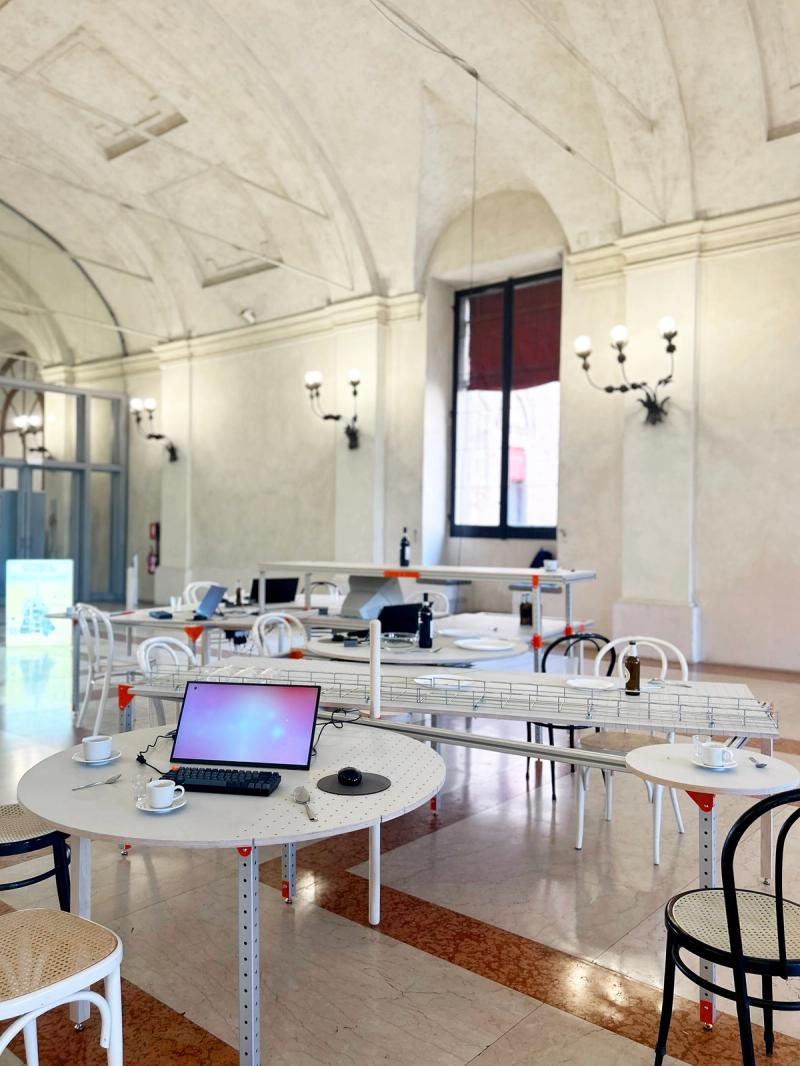

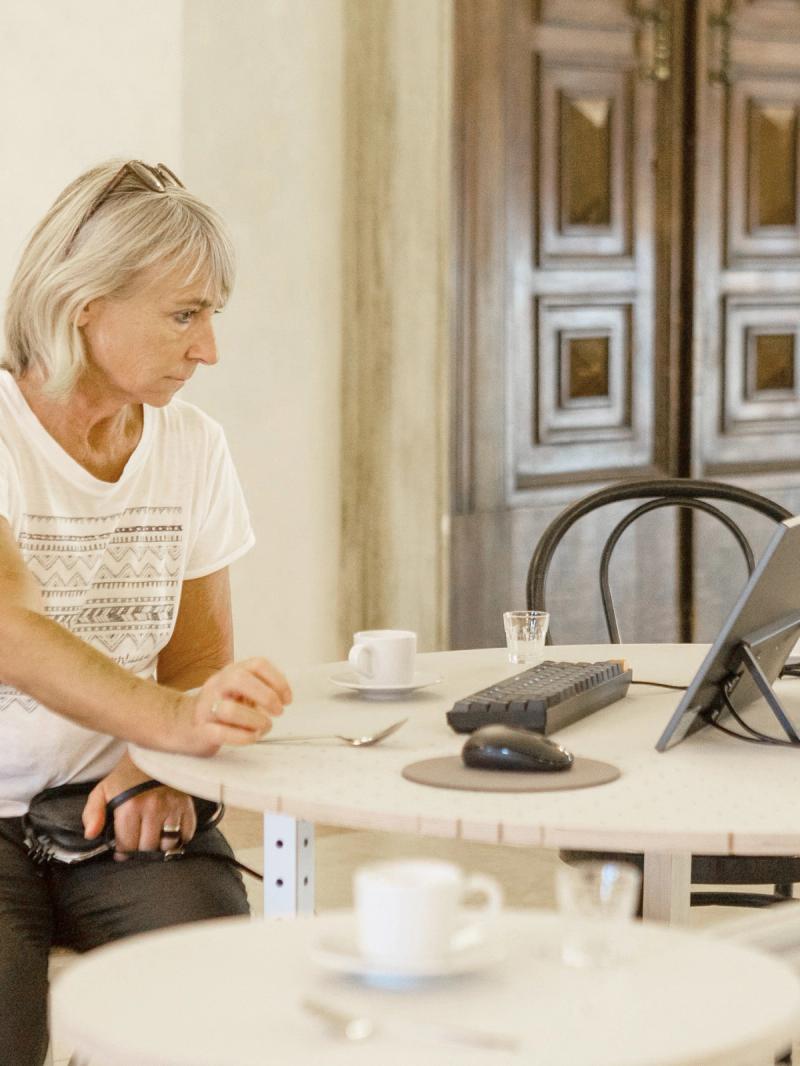

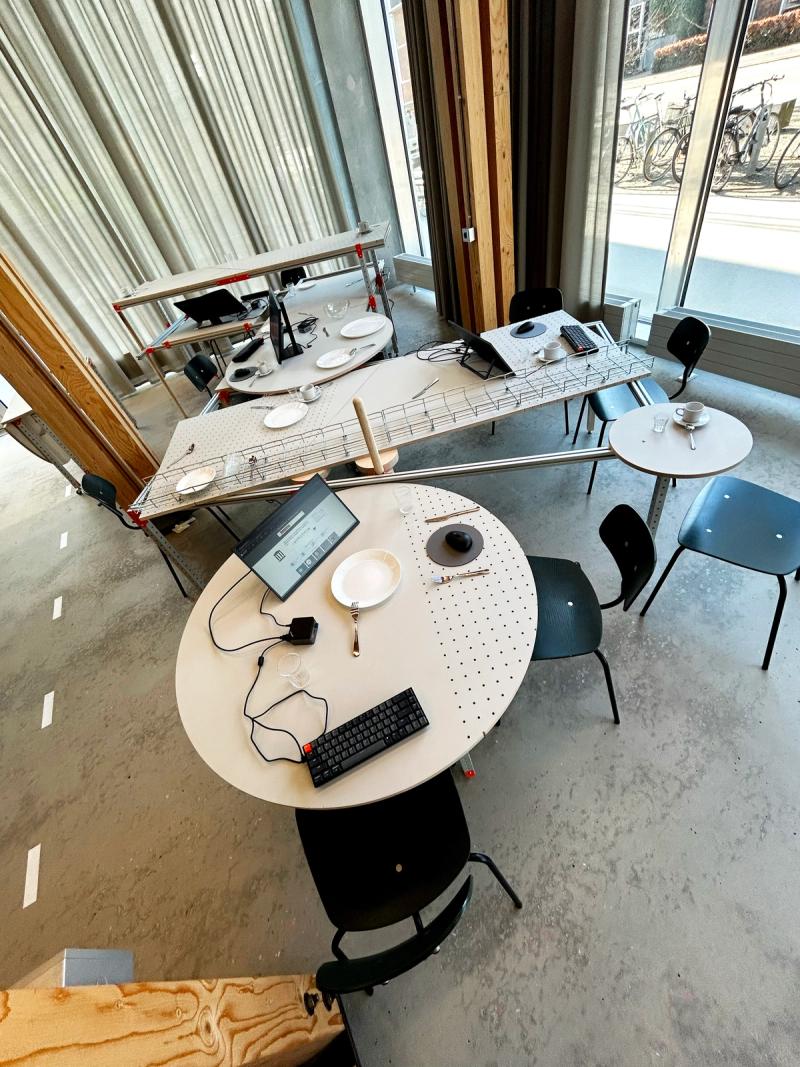

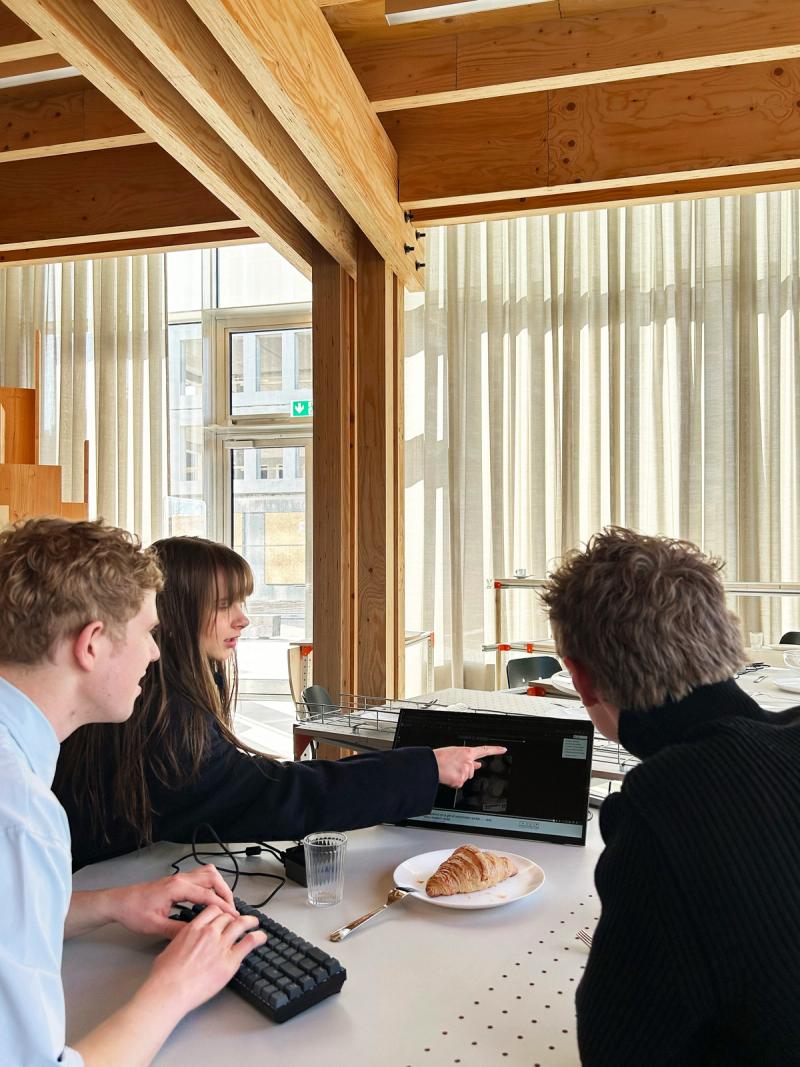

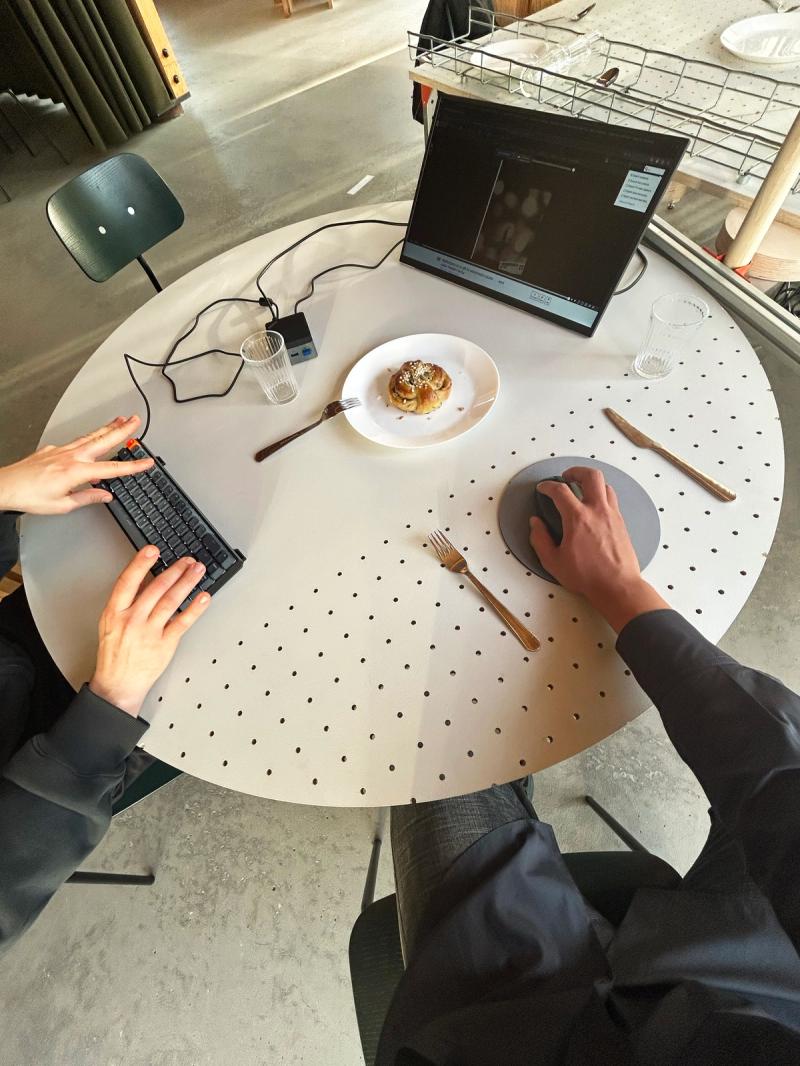

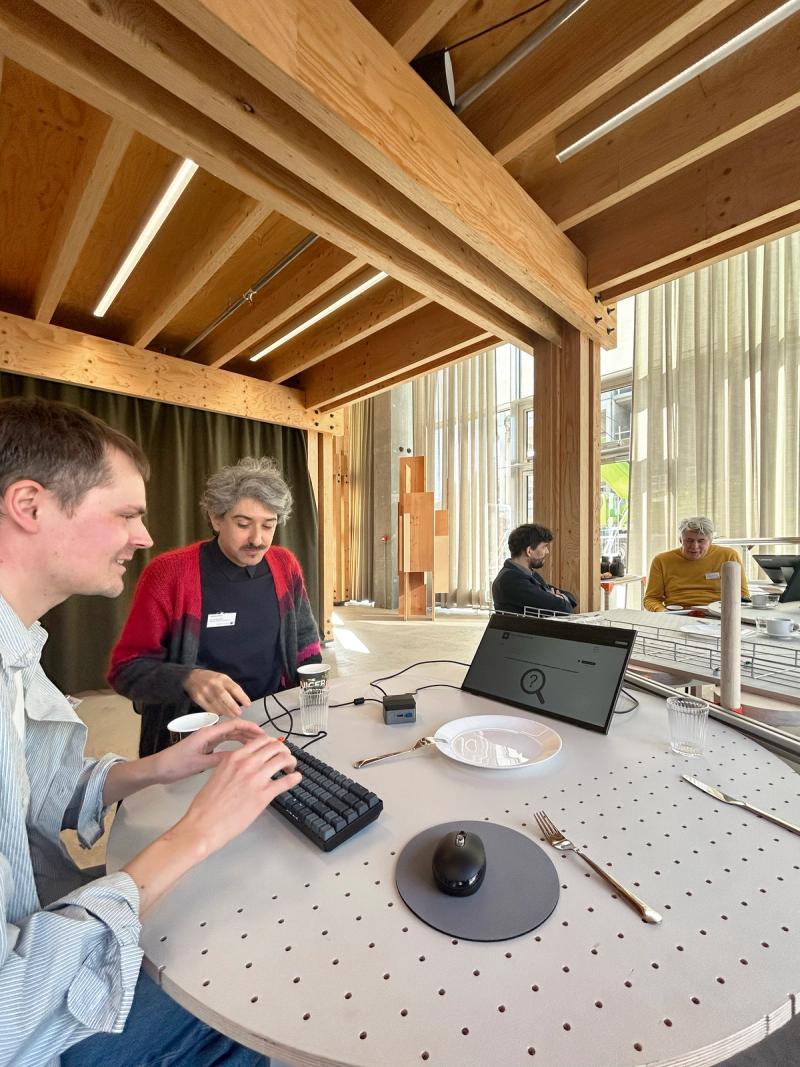

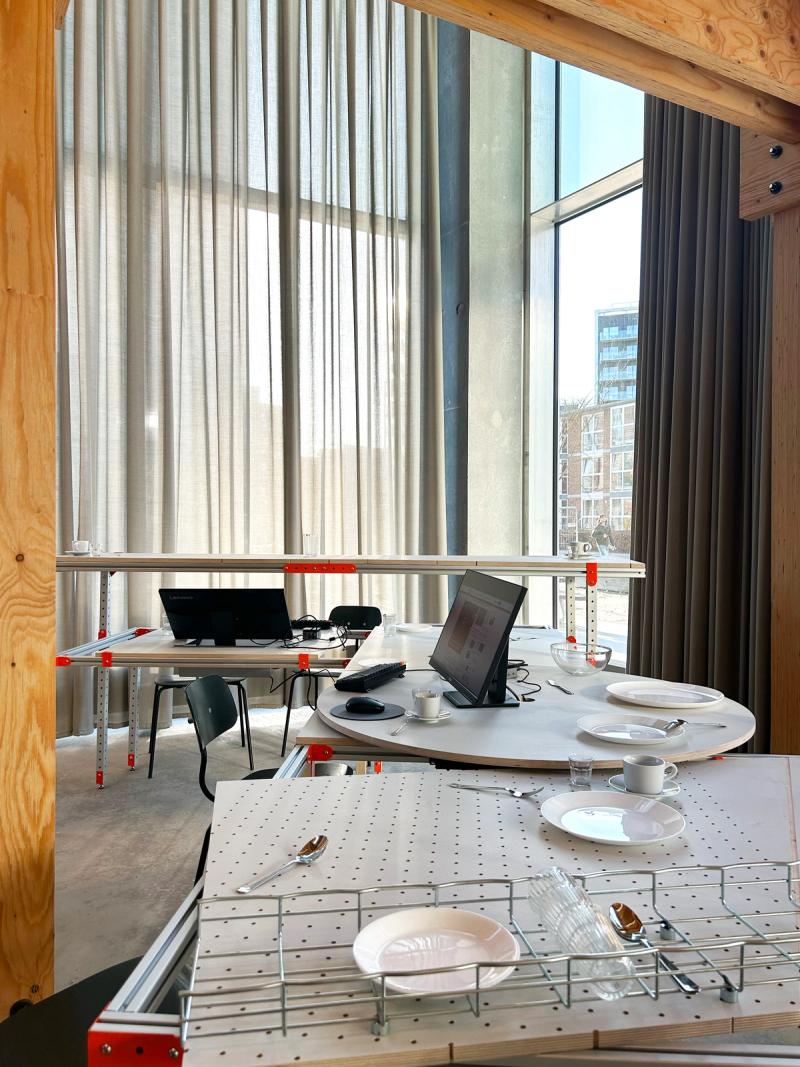

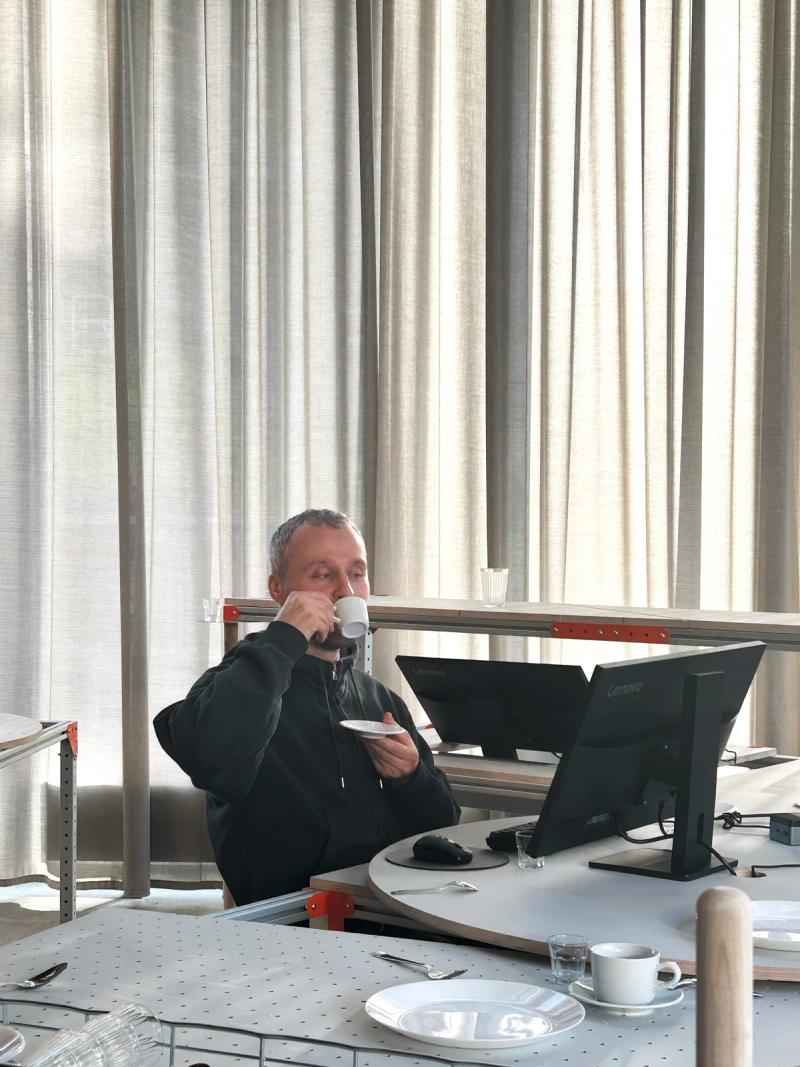

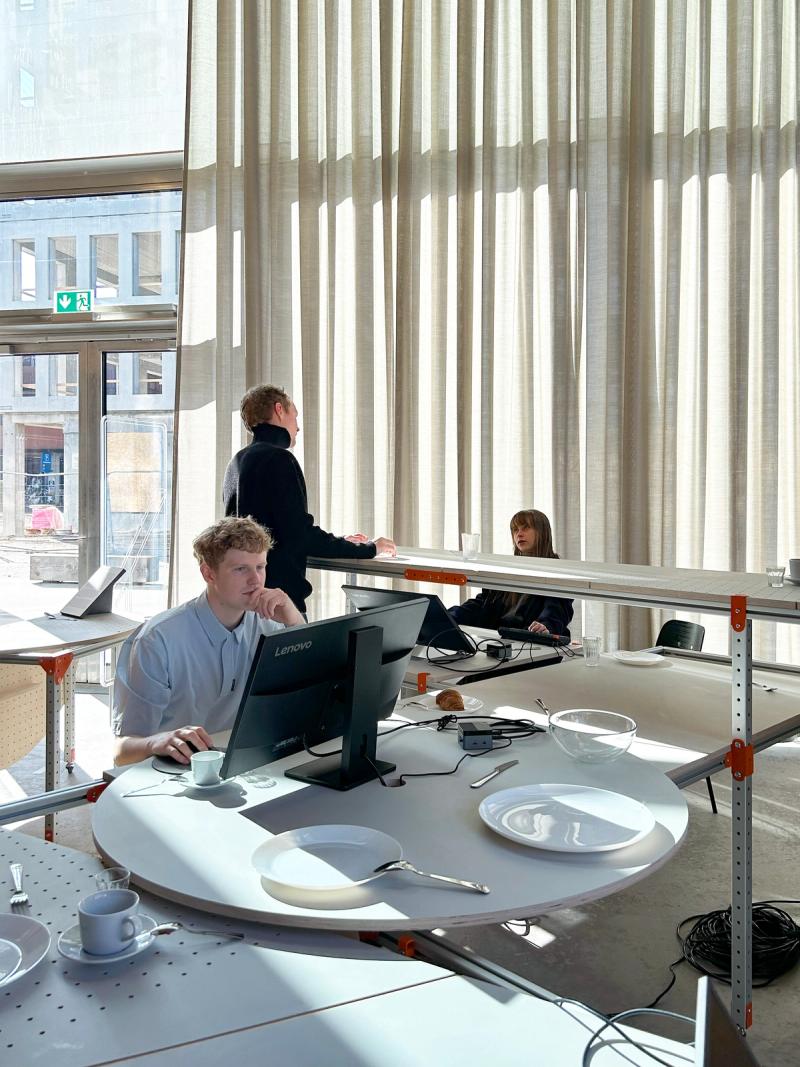

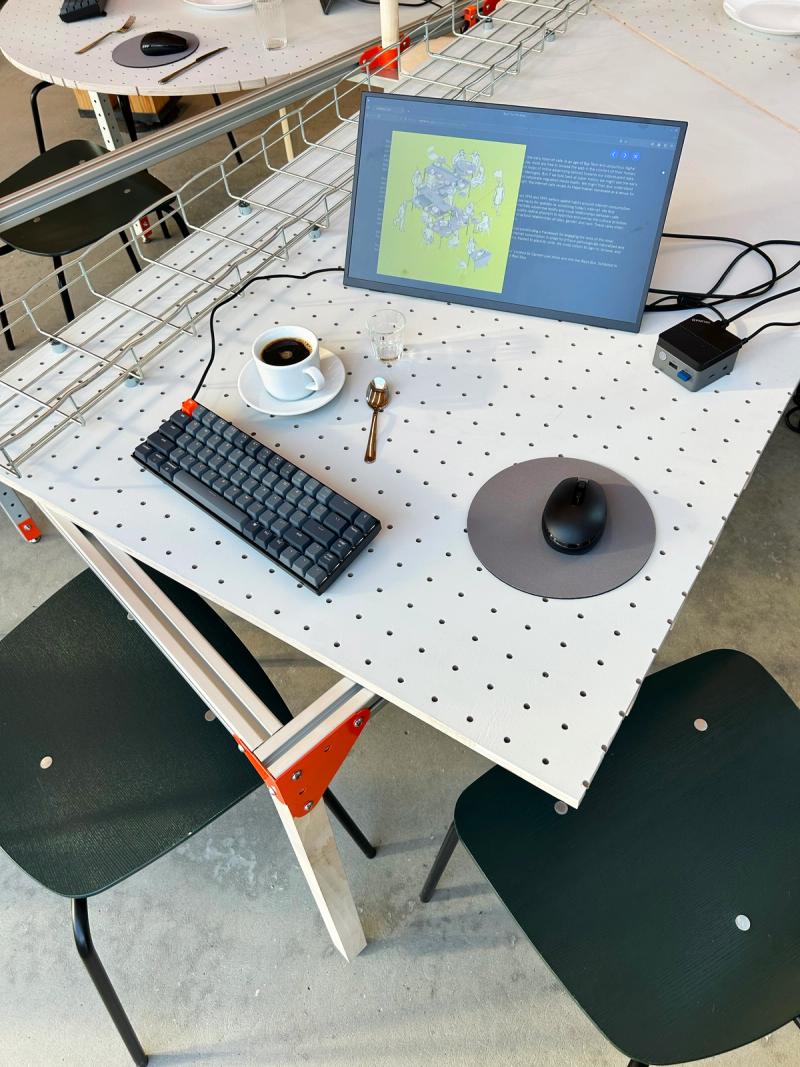

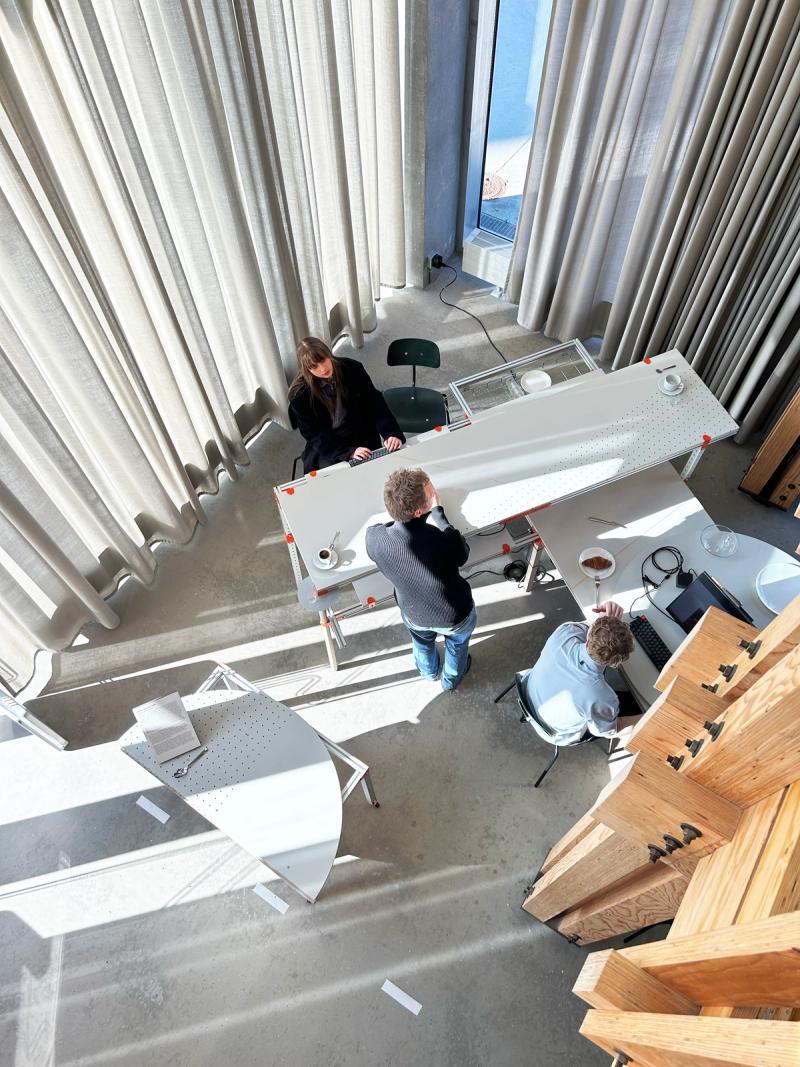

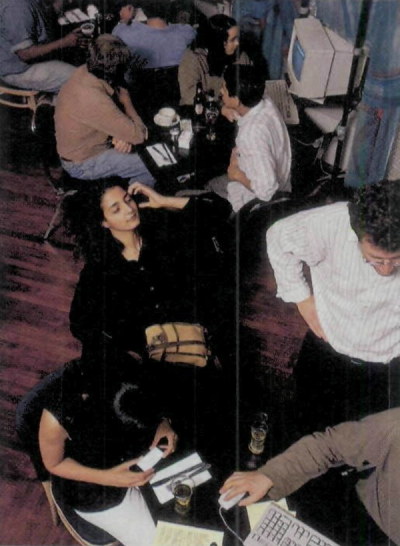

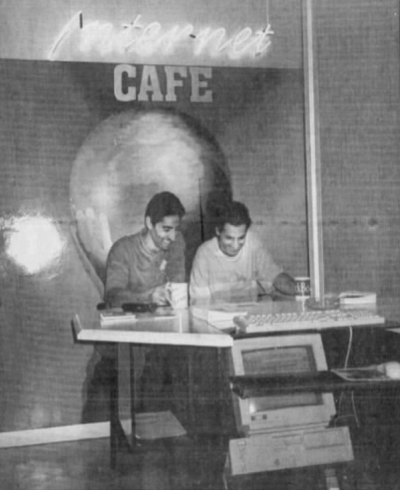

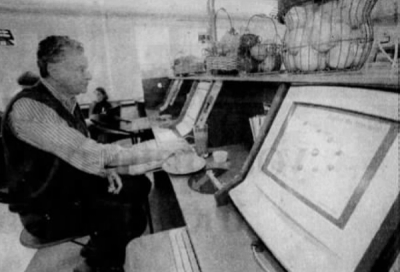

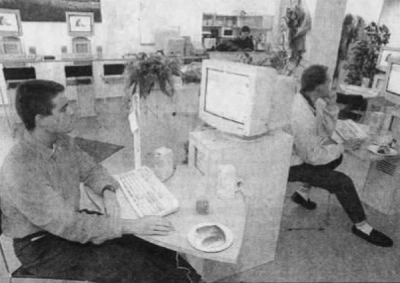

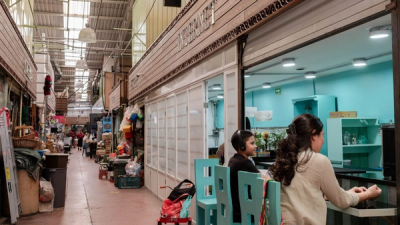
This project investigates the spatiality of the digital through a media-archeological recovery of the early internet cafe. In an age of Big-Tech and ubiquitous digital connectivity, the internet cafe is a relic of a time when the internet revealed itself as place. Today, most are free to browse the web in the comfort of their homes: curtains drawn and nestled behind the veil of iPhone’s privacy mode. We surrender to feedback loops of online advertising tailored towards our individuated data profiles, and we seek out digital communities of consensus to reinforce our political and social ideologies. But if we look back at cyber history we might see the early internet cafe as a complexly negotiated social space that could counter our divisively siloed and corporate-regulated media habits. We might then also understand the internet itself as a social space—one coexistent with the space of internet access. In this light, the internet cafe recalls its Habermasian namesake as a venue for the emergence of public life through encounters with difference, virtual and IRL. Our work began with in-depth research on early internet cafes. Concentrated between the years 1994 and 1995, before spatial habits around internet consumption were normalized, these early cafes exhibit subtle but compelling attributes that could be valuable hacks for spatially re-socializing today’s internet. We find productively awkward attempts to contend with the materiality of digital infrastructure and potentially subversive bodily and visual relationships between cafe occupants. We also find uncanny moments when computers appear anthropomorphized and quietly radical attempts to hybridize and overlay the cultural activities of dining and computing. Further research on today’s remaining internet cafes holds a lens to structural relationships of class, gender, and race. These cafes often provide connectivity to systematically marginalized populations who otherwise lack connection. Drawing on our analyses, our installation is an internet cafe for Palazzo d’Accursio in Bologna. Also constituting a framework for engaging the work of the other exhibition participants, our cafe insists on the materiality of the digital sphere, re-spatializing internet consumption in order to critique pathologically naturalized and desocialized digital habits. The cafe is assembled from a melange of building component systems, hacked to playfully unite. We invite visitors to sign-in, browse, and celebrate connection—digital, social, and tectonic. Winner of the Big Tech and Counter-Technologies Open Call and featured in “Data Materialities” curated by Carmen Lael Hines and Into the Black Box. Exhibited in Sala d’Ercole at the Palazzo d’Accursio in Bologna, Italy alongside works by Morgane Billuart and Raúl Silva. Selected for exhibition in the 2026 Works & Words Biennale. Exhibited in the library at the Aarhus School of Architecture in Aarhus, Denmark. Team: McLain Clutter, Cyrus Peñarroyo, Axel Olson, Krzysztof Lower Year: 2025